
The Ultimate Guide to Makeup for Skin
Why Your Skin Is the Real Foundation of Every Makeup Look
Makeup skin — the art of prepping and caring for your skin before and while wearing makeup — is the difference between a look that lasts all day and one that fades, creases, or pills within hours.
Here’s a quick answer to get you started:
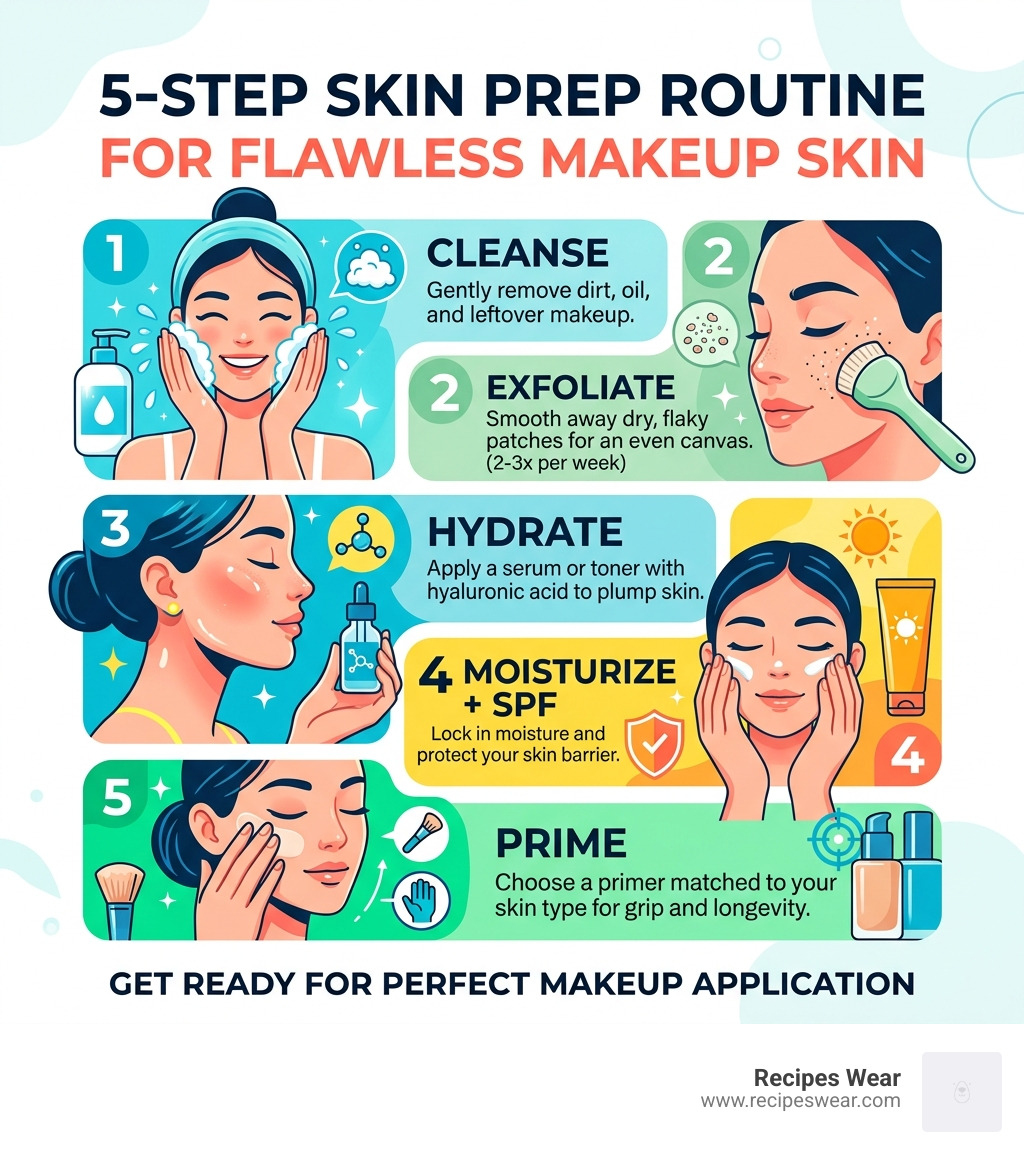
5 steps to flawless makeup skin:
- Cleanse – Remove dirt, oil, and leftover makeup with a gentle cleanser
- Exfoliate – Smooth away dry, flaky patches for an even canvas (2-3x per week)
- Hydrate – Apply a serum or toner with hyaluronic acid to plump skin
- Moisturize + SPF – Lock in moisture and protect your skin barrier
- Prime – Choose a primer matched to your skin type for grip and longevity
Most people focus on finding the perfect foundation. But the truth is, how you prep your skin matters more than which product you use.
Dry patches make foundation cling. Excess oil makes it slide. Dehydrated skin pushes makeup off before noon. And skipping sunscreen? That’s a missed opportunity for one of the smoothest bases you can get.
When your skin is balanced, hydrated, and protected, makeup glides on effortlessly — and stays there.
Why Proper Skin Preparation is Essential for Makeup Skin
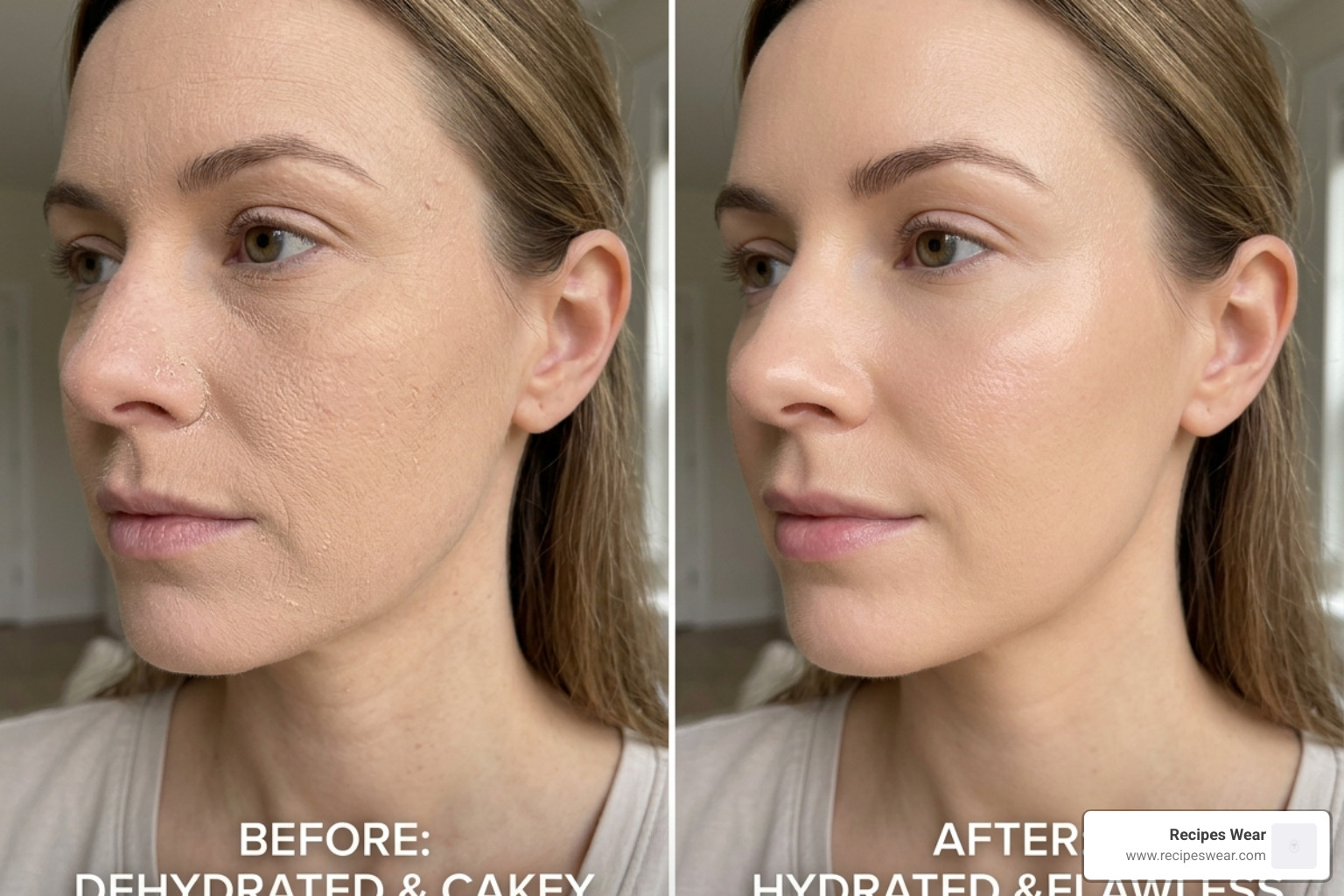
We have all been there: you spend thirty minutes perfecting your wing and blending your contour, only to look in the mirror two hours later and see a patchy, pilling mess. This is why understanding makeup skin is so vital. Proper preparation isn’t just a “nice to have” step; it is the structural integrity of your entire look.
When we talk about the skin barrier, we are talking about your skin’s first line of defense. If this barrier is compromised—perhaps it’s too dry or irritated—makeup will sit on top of it like a mask rather than melting into it for a natural finish. Dehydrated skin is particularly “hungry”; it will actually try to suck the moisture out of your foundation, leaving behind the pigment in dry, cakey clumps.
Furthermore, preparation helps in texture smoothing. No foundation can truly hide a rough surface. By properly prepping, we ensure the skin is plump and level, which prevents “pilling”—that annoying phenomenon where your skincare rolls up into little balls the moment your foundation brush touches your face. Whether you have oily, dry, or combination skin, achieving a seamless finish starts with a balanced canvas.
The Essential Steps to Prep Your Canvas
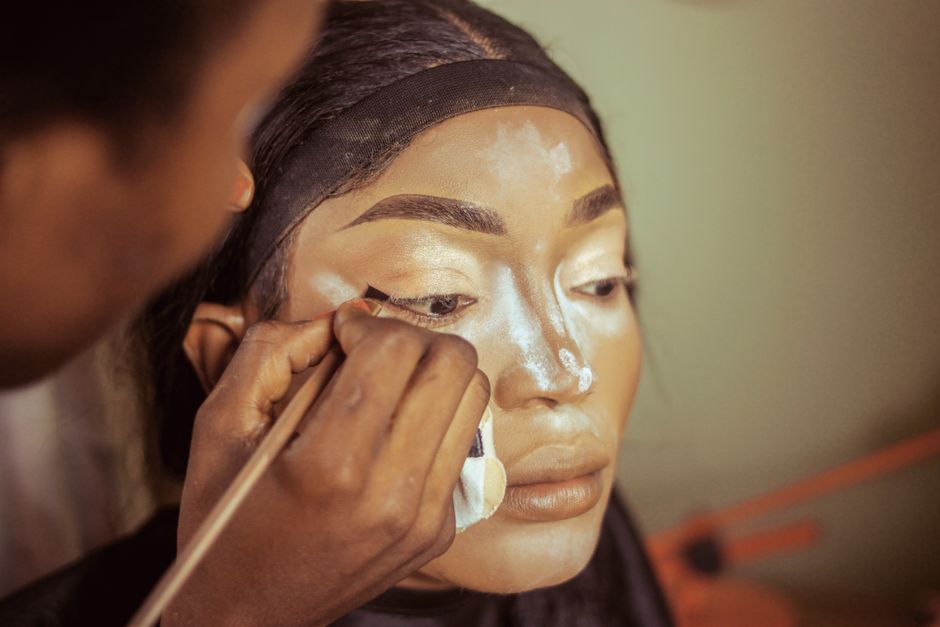
To get the best makeup skin, we need to treat our face like a masterpiece in progress. You wouldn’t paint a dusty wall, and you shouldn’t apply makeup to skin that hasn’t been refreshed. Professional artists often spend more time on the prep than the actual color application.
Cleansing and Exfoliating for a Smooth Base
The first step is always a clean slate. We recommend starting with a gentle cleanser or even micellar water to remove any overnight oils or lingering debris. Avoid harsh wipes, as they can be too astringent and leave the skin red or irritated. For those who wore heavy products the day before, a double cleanse ensures every pore is refined.
Exfoliation is the secret weapon for a smooth base. Using a chemical exfoliant—like a toner with glycolic acid or lactic acid—helps dissolve dead skin cells that cause “clinging.” A 5% glycolic acid toner is excellent for retexturizing without stripping moisture. By removing that layer of dead skin, you allow your serums and moisturizers to penetrate deeper, maximizing product performance and ensuring your foundation applies like a dream.
Hydration and Sunscreen for Healthy Makeup Skin
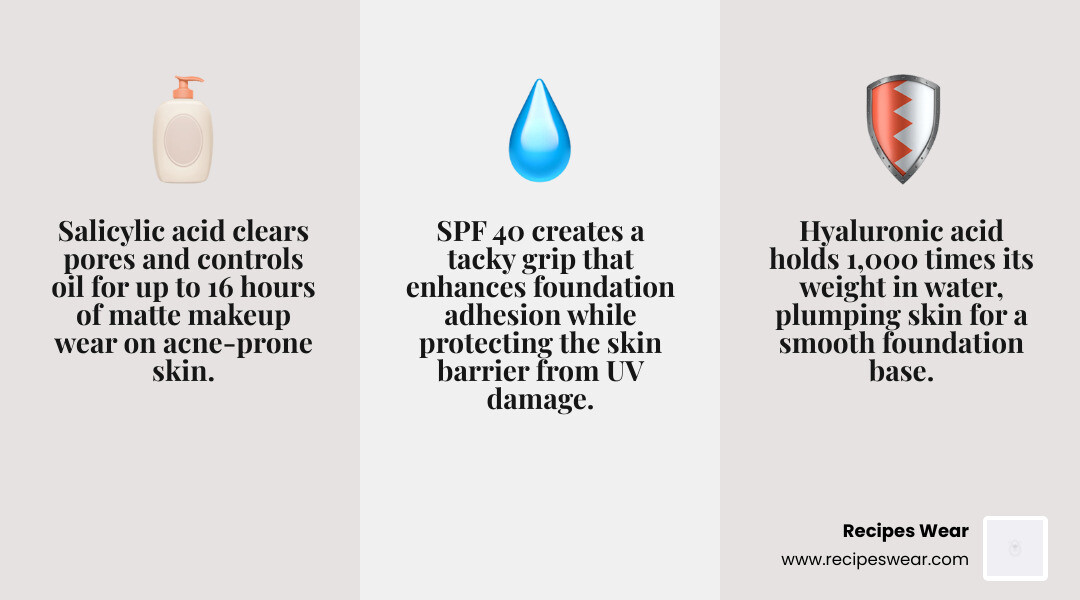
Once the skin is smooth, it’s time to flood it with hydration. Hyaluronic acid is our best friend here; it can hold up to 1,000 times its weight in water, plumping up fine lines instantly. We love layering a hydrating mist or serum and letting it absorb fully before moving to the next step.
Don’t forget the sunscreen! In 2026, we know that SPF is non-negotiable. Many modern formulas, like a multi-serum skin tint with SPF 40, are designed specifically to work under makeup. Sunscreen provides a surprisingly smooth, slightly tacky finish that acts as a natural “grip” for your foundation while protecting your skin barrier from UV damage.
Choosing the Right Products for Your Makeup Skin Type
Not all makeup skin is created equal. What works for a glowing, dewy look on dry skin might cause a “meltdown” on oily skin. Selecting products with skin-improving ingredients ensures your makeup treats your skin while you wear it.
Solutions for Oily and Acne-Prone Skin
If your skin tends to get shiny by lunch, look for “matte” and “oil-control” on the labels. Salicylic acid is a powerhouse ingredient for acne-prone skin, as it helps keep pores clear even under full coverage.
A matte primer is essential for oily types to control excess sebum. For redness correction, look for primers with a slight green tint or blurring powders that offer 16HR set wear. Setting powder is your final insurance policy; a high-quality, ultra-blurring powder can provide a natural matte finish that keeps everything in place for 12 to 16 hours.
Nourishing Dry and Sensitive Makeup Skin
For our friends with dry or sensitive skin, the goal is “nourish and repair.” Look for foundations and concealers infused with ceramides and peptides. These ingredients help rebuild the skin barrier throughout the day.
Luminous lip oils (which have seen high ratings, such as 4.8/5.0 from hundreds of happy users) and treatment balms are perfect for prepping lips. If you have mature skin, avoid heavy, dry powders. Instead, opt for hydrating liquid formulas or serum-infused foundations that offer a “luminous” finish. Expert tip: use a damp beauty sponge to press product into the skin rather than rubbing, which can disturb dry patches.
Professional Techniques for Long-Lasting Results
Professional makeup artists have a few tricks up their sleeves that go beyond just applying cream. If we want our makeup skin to look red-carpet ready, we need to incorporate these “pro” habits.
- Facial Massage: When applying your moisturizer, use upward, circular motions. This stimulates blood flow and “wakes up” the face, giving you a natural lift.
- Eye Patches: Apply cooling eye patches for 15 minutes while you do your hair. This de-puffs the under-eye area and ensures concealer doesn’t settle into fine lines.
- Lip Prep: Apply a thick layer of lip balm at the very beginning of your routine. By the time you reach for your lipstick, your lips will be soft and the balm will have absorbed, preventing that “cracked” look.
- Blotting: After moisturizing but before priming, take a single ply of tissue and gently press it over your T-zone. This removes excess oils that haven’t sunk in, preventing pilling.
Timing and Layering for Flawless Makeup Skin
The biggest mistake people make is rushing. You need to give your skincare time to “settle.” We recommend waiting at least 1–2 minutes between your moisturizer/SPF and your primer. You want your skin to feel hydrated and slightly tacky, not slippery.
Layering should always be done in thin layers. It is much easier to add more coverage than it is to take it away. Using a primer helps create a “grip” for the foundation, ensuring 24-hour wear that is sweat- and humidity-resistant. If you’re heading to a long event, a setting spray is the final “lock” that keeps the pigments from shifting.
Common Mistakes to Avoid for Flawless Application
Even with the best products, certain habits can sabotage your makeup skin.
- Over-Massaging: Rubbing your skincare or primer too vigorously can cause it to pill. Use gentle patting motions.
- Skipping SPF: Never skip sun protection. Not only is it vital for health, but it also prevents the premature aging that makes makeup application more difficult over time.
- Heavy Moisturizers: While hydration is key, a moisturizer that is too heavy or greasy will cause your foundation to slide right off. Save the thick night creams for bedtime.
- Dirty Tools: Your brushes and sponges harbor bacteria and old, dried product. This creates texture and can lead to breakouts. Wash them at least once a week!
- Mismatched Primers: Ensure your primer and foundation are compatible. For example, using a water-based primer with a silicone-based foundation can sometimes cause the products to separate on the skin.
Frequently Asked Questions about Makeup Skin
How long should I wait between skincare and foundation?
Ideally, you should wait about 2 minutes. This allows the moisture to settle and the “slip” of the moisturizer to transform into a “tacky” finish that foundation can grab onto. If you are in a rush, a quick blot with a tissue can speed up the process.
Should I use a primer if I already moisturized?
It depends on your skin’s needs. If your skin has visible pores or significant texture, a primer can provide a “blurring” effect that moisturizer cannot. Primers are specifically formulated for “grip” and “longevity,” whereas moisturizers are for “health” and “hydration.” For the best makeup skin, using both in synergy is usually the winning combo.
Can skin prep improve the longevity of my makeup?
Absolutely. Most makeup “fades” because the skin is either too dry (and absorbs the moisture from the makeup) or too oily (and dissolves the makeup). By balancing the skin’s oil and water levels during prep, you can extend a look from a standard 4-hour wear to a 16HR wear with ease.
Conclusion
At Recipes Wear, we believe that beauty is a creative journey. Achieving the perfect makeup skin isn’t just about vanity; it’s about the confidence that comes from a healthy, glowing complexion. By following these “recipes” for skin preparation, you aren’t just covering up—you’re dressing your creativity on the best possible canvas.
Whether you are shopping for the latest beauty essentials or looking for specific anti-aging tips, the most important step is the one you take before the brush even touches your face.
Ready to take your routine to the next level? Glow Up Your Inbox and join our community for the latest tips, tricks, and creative beauty “recipes” delivered straight to you!

