
Office Hours: The Best Face Cream for Office Use and Regular Wear
Why Finding the Best Face Cream Matters More Than You Think
The best face cream to use every day isn’t just about soft skin — it’s about protecting your skin’s natural barrier from everything your environment throws at it.
Quick Answer: Top Daily Face Creams
| Skin Type | Best Pick | Key Benefit |
|---|---|---|
| Sensitive / Dry | Vanicream Daily Facial Moisturizer | Fragrance-free, ceramides, hypoallergenic |
| Normal / Oily | CeraVe PM Facial Moisturizing Lotion | Niacinamide, lightweight, non-comedogenic |
| Combination | La Roche-Posay Toleriane Double Repair | Barrier repair, lightweight, drugstore price |
| Anti-Aging | Tatcha The Dewy Skin Cream | Deep hydration, radiance, Japanese botanicals |
| Budget-Friendly All-Rounder | CeraVe Moisturizing Cream | Ceramides, hyaluronic acid, face and body use |
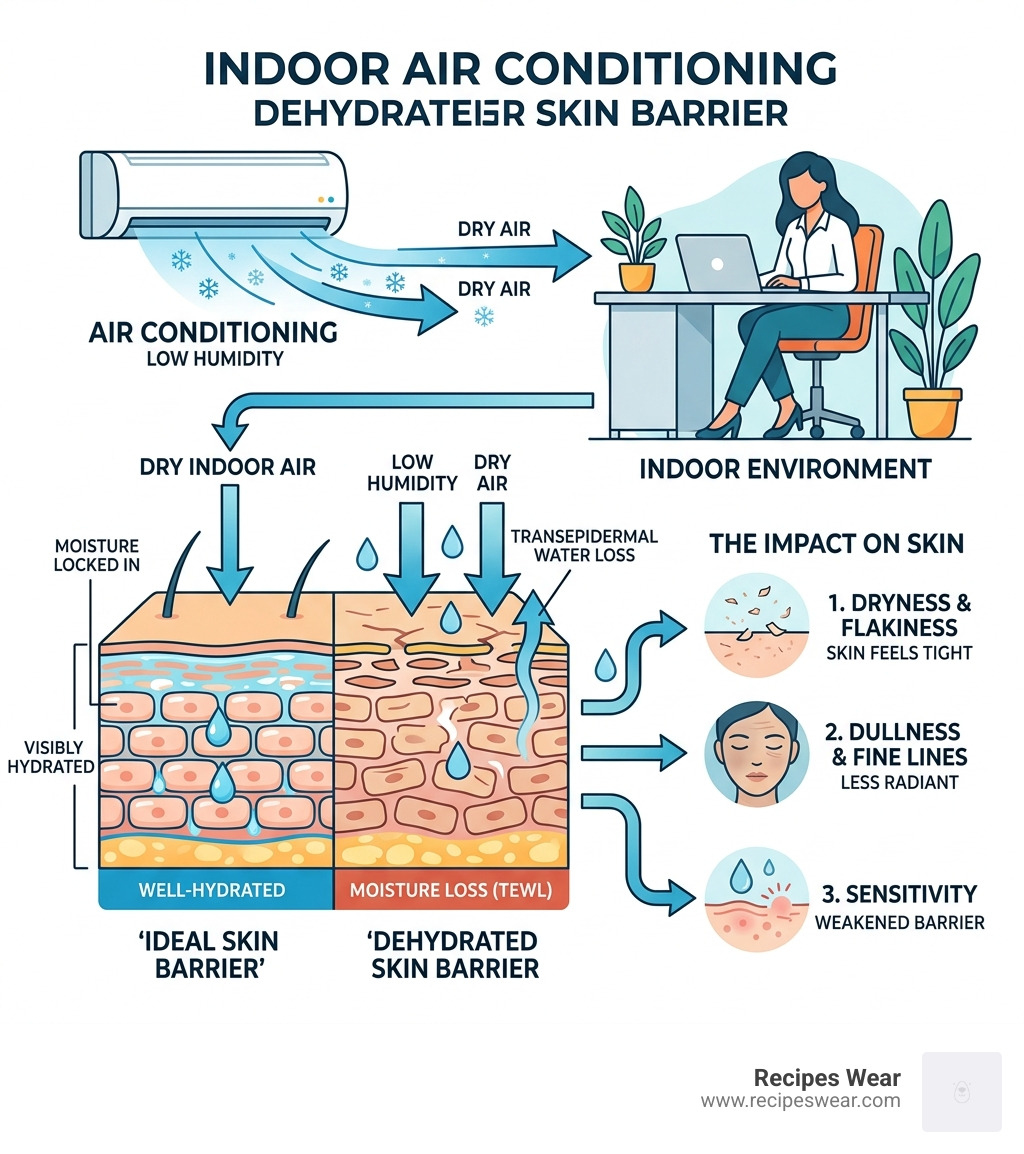
Here’s something most people don’t think about: office air conditioning quietly strips moisture from your skin for hours every day. That tight, dull feeling by 3pm? That’s transepidermal water loss — your skin losing hydration faster than it can hold onto it.
The right face cream creates a protective layer that slows that process down. It’s not about luxury. It’s about giving your skin what it needs to stay healthy through a full day of work, screens, and recycled air.
The good news? Whether you’re dealing with dry patches, breakouts, or the first signs of aging, there’s a formula built for exactly that — many of them under $25.
Essential Ingredients in the best face cream to use
When we go shopping for the best face cream to use, we often get distracted by pretty packaging or “exotic” extracts. However, dermatologists and skin experts agree that the real work is done by a handful of science-backed ingredients. Understanding these is like knowing the base ingredients of a perfect recipe—once you have the foundation right, the rest follows.
The Powerhouse Five
- Ceramides: These are waxy fat molecules that naturally make up about 50% of your skin barrier. Think of them as the “mortar” between your skin cell “bricks.” As we age, or when we are exposed to harsh office air, our ceramide levels drop. Replacing them helps keep moisture in and irritants out.
- Hyaluronic Acid: A legendary humectant that can hold up to 1,000 times its weight in water. It pulls moisture from the air (or deeper layers of your skin) into the surface to give you that plump, “bouncy” look.
- Niacinamide (Vitamin B3): This is a multitasker’s dream. It calms redness, helps regulate oil production (great for those mid-day T-zone shines), and improves skin texture.
- Squalane: A stable version of squalene, which is a lipid our skin naturally produces. It’s an emollient that smooths the skin without feeling heavy or greasy—perfect for wearing under office attire or makeup.
- Glycerin: It’s “boring” but incredibly effective. Glycerin is one of the most reliable humectants for providing long-lasting hydration.
To help you navigate the sea of products, we recommend checking the Ratings for All Facial Moisturizer/Treatments to ensure your chosen cream meets your standards for ingredient safety.
Comparing Hydration Strategies
Not all moisturizing ingredients work the same way. The best face cream to use usually contains a balanced mix of the following three categories:
| Ingredient Type | Function | Examples |
|---|---|---|
| Humectants | Attract water like a magnet | Hyaluronic Acid, Glycerin, Urea |
| Emollients | Fill in gaps between skin cells to smooth | Ceramides, Squalane, Fatty Acids |
| Occlusives | Create a physical seal to prevent water loss | Petrolatum, Shea Butter, Dimethicone |
Top-Rated Selections: Finding the best face cream to use for Your Skin Type
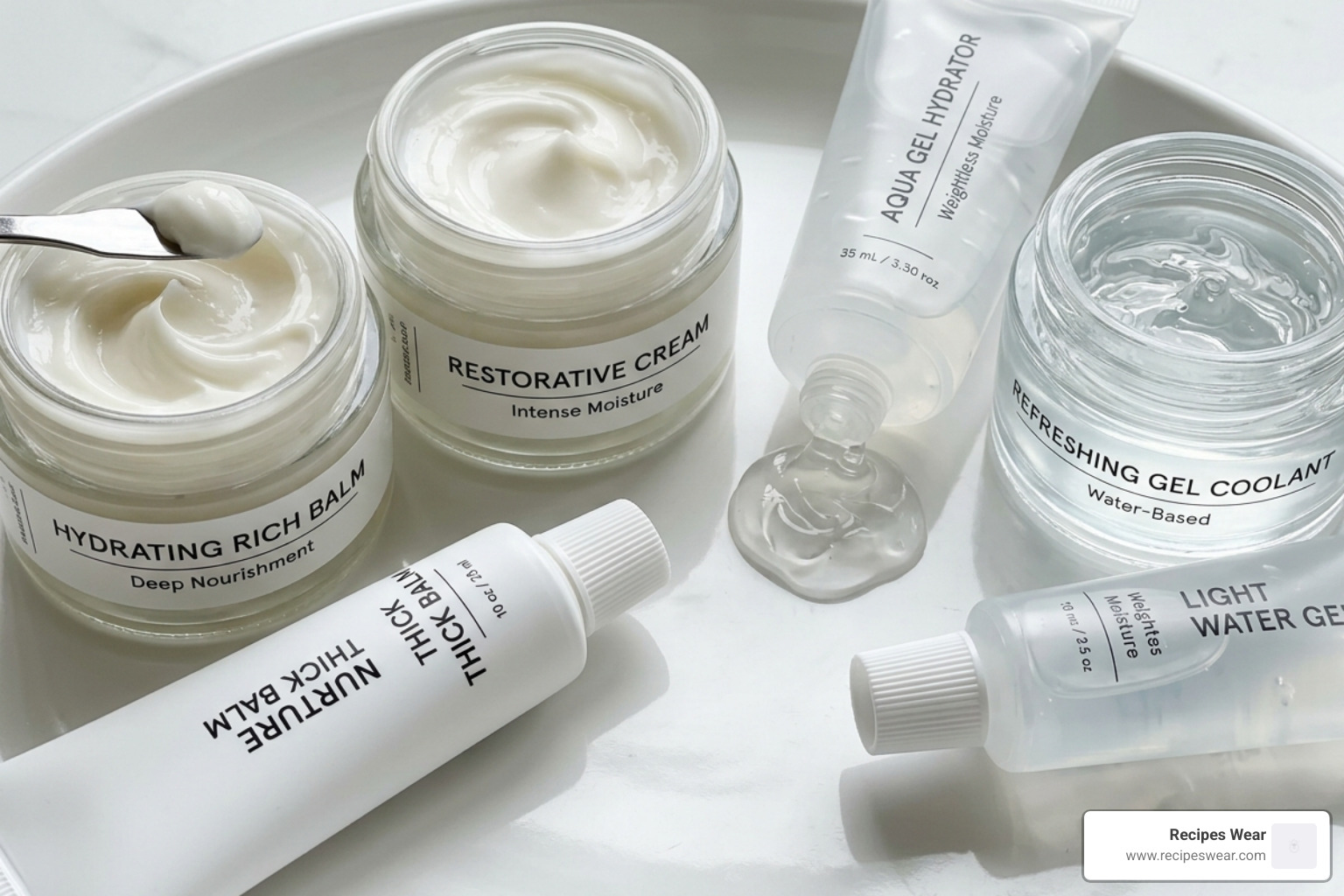
Selecting a moisturizer isn’t a one-size-fits-all situation. The texture that feels like a “cool drink of water” to one person might feel like a “greasy mask” to another. In April 2026, the market offers a staggering variety of textures, from weightless water-gels to thick, buttery balms.
When we look at The 16 Best Face Moisturizers of 2026, Tested and Reviewed, several key performers consistently rise to the top. The goal is to find a non-comedogenic (won’t clog pores) formula that supports barrier repair without causing irritation.
Choosing the best face cream to use for Dry and Sensitive Skin
If your skin feels tight, itchy, or shows red patches, you likely have a compromised barrier. For this skin type, “boring” is actually a compliment. You want a formula that is fragrance-free and hypoallergenic.
- Vanicream Daily Facial Moisturizer: This is currently a #1 best-seller for a reason. It is often described as the “holy grail” for sensitive skin because it avoids common irritants like dyes, fragrance, and parabens. It features five different types of ceramides to mimic the natural skin barrier.
- CeraVe Moisturizing Cream: A classic “workhorse.” It’s a bit thicker and contains petrolatum, making it ideal for very dry skin or for use during harsh winter months. It even carries the National Eczema Association seal of acceptance.
- Colloidal Oatmeal: Look for this ingredient in creams if you struggle with redness or itching. It’s a medicated ingredient that provides instant soothing—Kiehl’s and Dieux Skin offer excellent options featuring 1% colloidal oatmeal for recovery.
The best face cream to use for Oily and Combination Skin
It is a common myth that oily skin doesn’t need moisturizer. In fact, skipping it can cause your skin to overproduce oil to compensate for dehydration! The trick is to use “oil-free” and “lightweight” formulas.
- La Roche-Posay Toleriane Double Repair: This is a fan favorite on Reddit and among dermatologists. It has a lightweight, cream-lotion feel that absorbs quickly, making it perfect for office wear. It uses prebiotic thermal water and niacinamide to soothe the skin while keeping the barrier strong.
- CeraVe PM Facial Moisturizing Lotion: Don’t let the “PM” fool you—if you have very oily skin, this ultra-lightweight, oil-free lotion is often the best face cream to use during the day too (just add SPF on top). It features MVE Technology for a slow release of hydration throughout your 9-to-5.
Luxury and K-Beauty Innovations for Anti-Aging
If you’re looking for a “sensorial experience” or the latest in skin tech, the luxury and K-Beauty sectors are where the magic happens.
- Tatcha The Dewy Skin Cream: With over 4.3K reviews at Sephora, this cream is a cult favorite. It uses Japanese purple rice and a proprietary complex of green tea, rice, and algae (Hadasei-3) to give the skin a healthy, “glazed” glow.
- Aestura Atobarrier365 Cream: A standout in K-Beauty, this cream is famous for its “capsule” technology. It provides up to 120 hours of moisture lock-in using a specific ratio of ceramides, cholesterol, and fatty acids. It’s a top choice for those using active ingredients like tretinoin.
- Innovations to Watch: In 2026, we are seeing more creams incorporating PDRN (DNA derived from salmon) and advanced peptides to support collagen and elasticity.
Maximizing Hydration: How to Apply Your Daily Moisturizer
Even the most expensive cream won’t work if you apply it incorrectly. To get the most out of the best face cream to use, follow these expert tips:
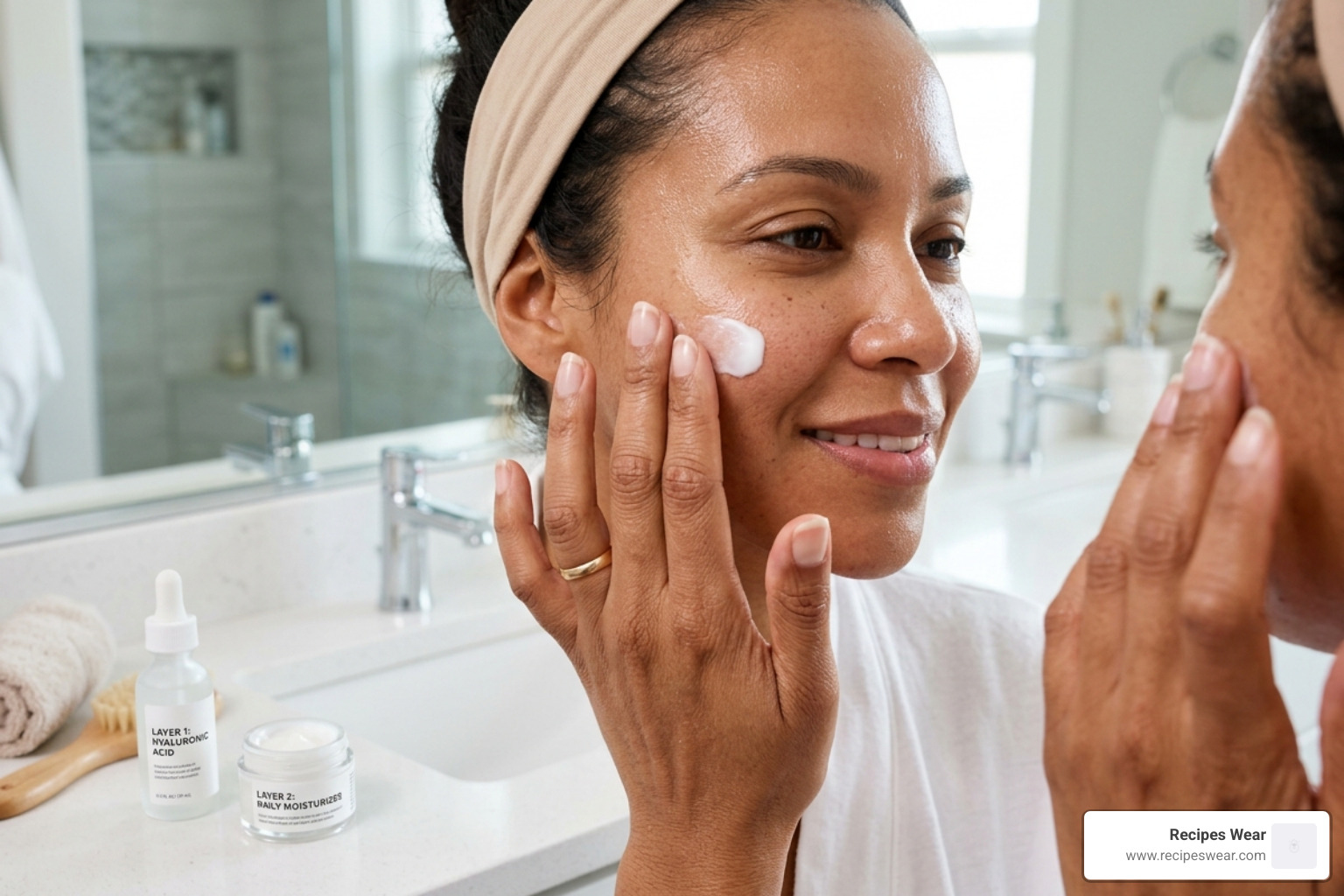
- Apply to Damp Skin: Never wait for your face to be bone-dry. Applying moisturizer to slightly damp skin (right after cleansing or using an essence) helps the humectants “trap” that extra water on your surface.
- The “Dime-Size” Rule: You don’t need half a jar. A dime-sized amount is usually enough for the face and neck. If you use too much, the product may “pill” (clump up) when you try to apply makeup or sunscreen over it.
- Layering with Actives: If you use tretinoin or retinol, the “sandwich method” is a lifesaver. Apply a thin layer of moisturizer, then your retinol, then another layer of moisturizer. This cushions the skin and prevents the dreaded “retinol burn.”
- Frequency: For most of us, twice a day (morning and night) is the sweet spot. However, if you work in a very dry office, you might find that a lightweight mist or a tiny dab of cream mid-day helps keep the barrier intact.
Frequently Asked Questions about Daily Face Creams
What is the difference between a cream, lotion, and gel?
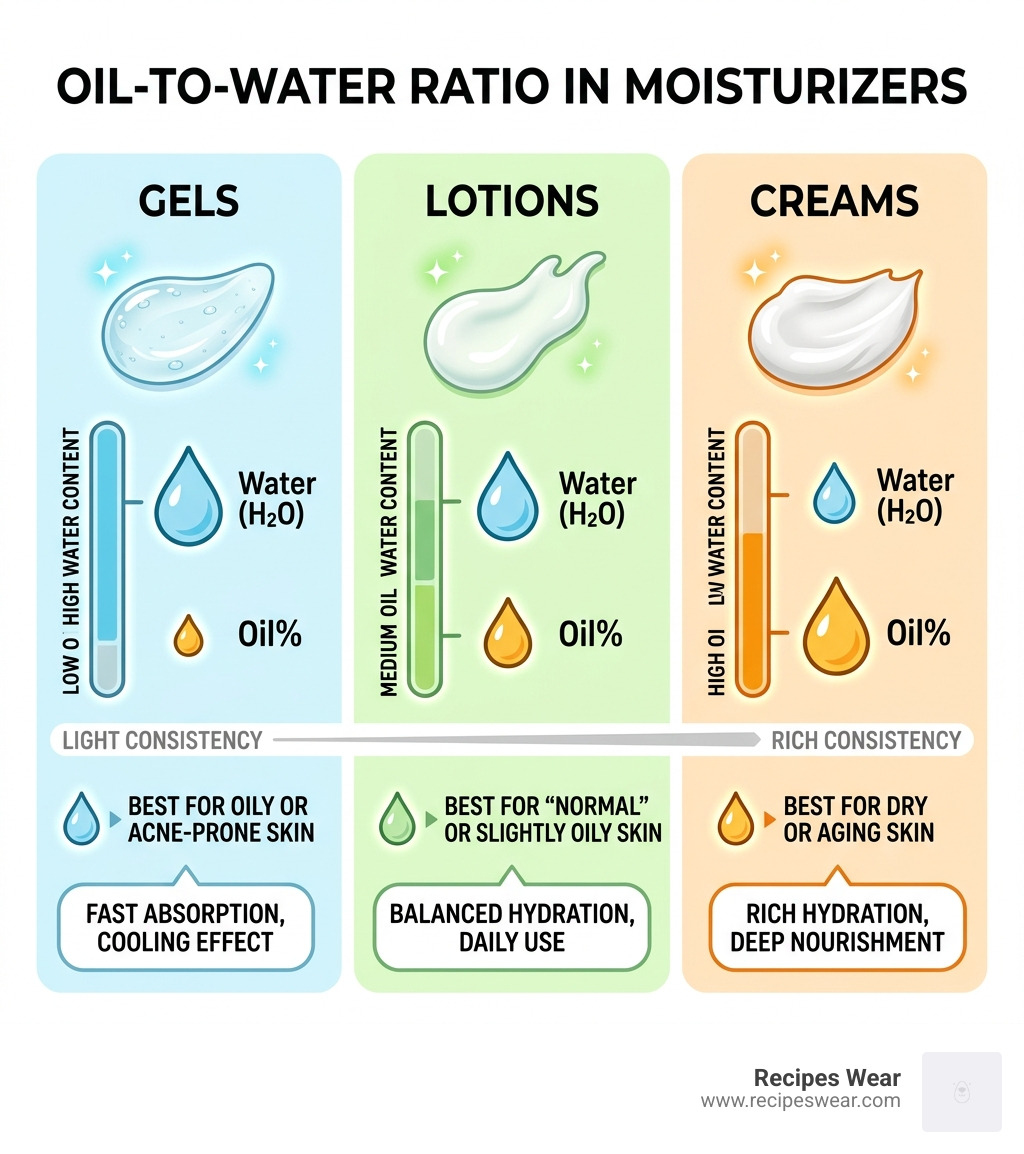
It all comes down to the water-to-oil ratio.
- Gels are mostly water and are best for very oily or acne-prone skin.
- Lotions have a medium consistency and work well for “normal” or slightly oily skin.
- Creams have a higher oil content, making them richer and better for dry or aging skin.
- Ointments (like healing balms) have the highest oil content and are used for “slugging” or treating extremely dry patches like heels and elbows.
How do I repair a compromised skin barrier?
If your skin stings when you apply even basic products, your barrier is likely “broken.” Stop using all “actives” (Vitamin C, AHAs, Retinol) immediately. Switch to a minimalist routine using a ceramide-rich cream like PM Facial Moisturizing Lotion | CeraVe or Moisturizing Cream | CeraVe. Look for ingredients like lipids, fatty acids, and cholesterol to replenish what’s missing.
Can I use the same cream for day and night?
Technically, yes, but there are benefits to separating them. Day creams should ideally be lighter and work well under sunscreen. Night creams, like the Visible Difference Refining Moisture Cream Complex – Elizabeth Arden, are often thicker and focus on repair. Some night-specific products like the Immortelle Divine Anti-Aging Face Cream | L’Occitane en Provence contain ingredients that are better suited for the skin’s natural regeneration cycle while you sleep.
Conclusion
Finding the best face cream to use shouldn’t feel like a chore—it’s an act of self-care that pays off in long-term skin health. Whether you choose a “boring but effective” drugstore staple or a luxurious Japanese superfood blend like the Ultra Facial Moisturizing Cream with Squalane – Kiehl’s Since 1851 | Sephora, the most important thing is consistency.
At Recipes Wear, we believe in “recipes that dress your creativity.” Just as a great meal requires the right ingredients and technique, great skin requires a routine tailored to your unique needs. Don’t be afraid to experiment until you find your “holy grail” formula!
For more creative beauty tips and recipe-inspired skincare guides, visit us at Recipes Wear.

