
Say Goodbye to Spots with the Best Blemish Care Face Cream
Why Finding the Right Blemish Care Face Cream Actually Matters
Blemish care face cream is a targeted moisturizer designed to treat and prevent common skin concerns like acne, dark spots, and uneven skin tone — all while keeping your skin hydrated and protected.
Quick answer: The best blemish care face creams to look for:
- For acne-prone skin – Look for salicylic acid (1-2%) or benzoyl peroxide (up to 10%)
- For dark spots and hyperpigmentation – Choose niacinamide, vitamin C, or tranexamic acid
- For sensitive or melanin-rich skin – Go for gentle ingredients like centella, turmeric, or bakuchiol
- For oily skin – Pick a water-based, non-comedogenic formula with zinc PCA
- For post-blemish recovery – Opt for ceramides, hyaluronic acid, and soothing repair complexes
If you’ve ever stood in a skincare aisle feeling completely overwhelmed, you’re not alone. With thousands of products on the market, picking the right one for your specific skin concerns can feel impossible.
Blemishes are more than just a surface issue. They affect how you feel about your skin every single day. Whether you’re dealing with stubborn acne spots, post-breakout marks, or an uneven tone that no amount of foundation seems to fix — the right blemish cream can genuinely change your routine.
The good news? Highly-rated options like Neutrogena Rapid Clear, COSRX Centella Blemish Cream, and CeraVe’s blemish control formulas are bought by tens of thousands of people every month — because they work. And with formulas now available for every skin type, including melanin-rich skin, there’s something for everyone.
In this guide, we’ll break down exactly what to look for, which ingredients matter, and how to use blemish care creams for real, visible results.
Understanding the Primary Purpose of Blemish Care Face Cream
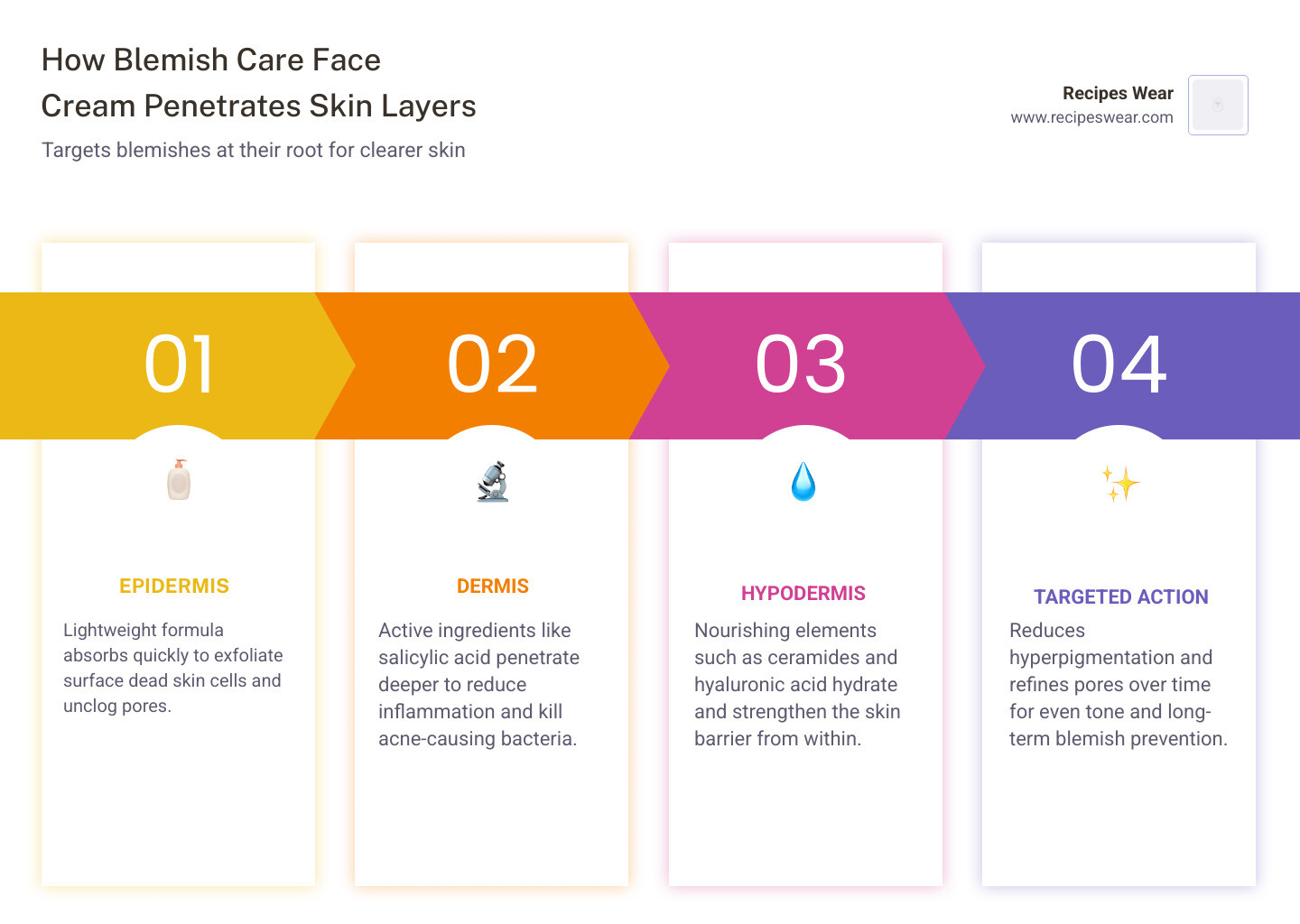
When we talk about a blemish care face cream, we aren’t just talking about a standard moisturizer. Its primary purpose is multi-functional: it acts as a treatment delivery system that hydrates the skin while simultaneously attacking the root causes of imperfections.
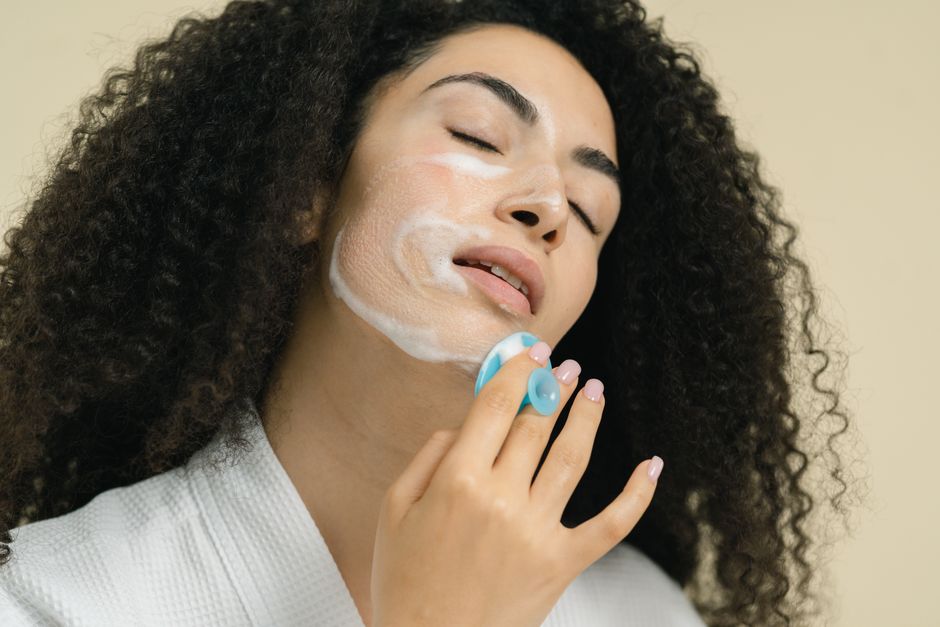
For many of us, “blemishes” is a broad term. It covers everything from active acne and blackheads to the lingering shadows they leave behind. A high-quality blemish care face cream works to:
- Treat Active Acne: By using antibacterial and exfoliating agents to clear out clogged pores.
- Fade Dark Spots and Hyperpigmentation: Addressing the overproduction of melanin that occurs after an injury or inflammation (often called post-inflammatory hyperpigmentation).
- Correct Uneven Skin Tone: Brightening dull areas to create a more “unified” and radiant look.
- Reduce Inflammation: Calming the redness and swelling associated with “angry” spots.
- Refine Pores: Controlling excess oil (sebum) so pores appear smaller and less congested.
Modern formulations, such as the Effaclar Duo(+) Unifiant, even offer “unifying” effects, which provide instant tinted coverage while the active ingredients work on the spots underneath. This is a game-changer for those of us who want to feel confident today while waiting for the treatment to kick in over the next few weeks.
The Role of Active Ingredients in a Blemish Care Face Cream
The effectiveness of any blemish care face cream comes down to its “actives.” These are the heavy hitters that do the actual work.
- Salicylic Acid (BHA): This is the gold standard for oily skin. It is oil-soluble, meaning it can dive deep into your pores to dissolve the “glue” holding dead skin cells together. Products like the CeraVe Blemish Control Gel use this to reduce blackheads by up to 45% in clinical trials.
- Niacinamide (Vitamin B3): A true all-rounder. It minimizes pore appearance, regulates oil, and strengthens the skin barrier. It’s also excellent for fading marks.
- Benzoyl Peroxide: Found in high-strength products like AcneFree Terminator 10, this kills acne-causing bacteria on contact.
- Tranexamic Acid & Azelaic Acid: These are the new stars of 2026 for fading stubborn dark spots and melasma. They help stop the pigment-producing cells from overreacting.
- Vitamin C: An antioxidant that brightens the skin and protects it from environmental damage.
- Ceramides and Hyaluronic Acid: Essential for “repair” creams. When you treat blemishes, you often dry out the skin. These ingredients ensure your skin barrier stays intact and hydrated.
Natural Ingredients for Gentle Spot Correction
If your skin is sensitive or you prefer a more “earth-grown” approach, nature has some incredible blemish-fighting tools. Many premium brands are moving toward “bio-inspired” formulations that use 90% or more natural-origin ingredients.
- Turmeric: Known for its anti-inflammatory properties, it’s a staple in Blemish Care Cosmetics for its ability to brighten melanin-rich skin.
- Boreal Tea Powder: An innovative ingredient that rebalances the skin, controls shine, and refines texture without the harshness of some synthetic acids.
- Centella Asiatica (Cica): Famous in Korean skincare (like the COSRX Centella Blemish Cream), this plant extract is legendary for soothing irritated skin and speeding up the healing of “popped” or damaged spots.
- Bakuchiol: Often called a “plant-based retinol,” it provides anti-aging and blemish-clearing benefits without the irritation or sun sensitivity often caused by traditional Vitamin A.
- Honey and Shea Butter: These provide deep nourishment, ensuring that while you treat the blemish, you aren’t leaving the skin flaky or dry.
How to Choose the Right Blemish Care Face Cream for Your Skin Type
Choosing the wrong blemish care face cream can actually make things worse. A cream that is too heavy might clog the pores of someone with oily skin, while a gel that is too drying could ruin the moisture barrier of someone with sensitive skin.
As we move through April 2026, the trend is moving toward “skin-safe” and “fungal acne-safe” products. Here is how to navigate the choices:
| Skin Type | Recommended Texture | Key Features to Look For |
|---|---|---|
| Oily / Acne-Prone | Water-based Gel / Water Cream | Non-comedogenic, Zinc PCA, Salicylic Acid |
| Dry / Sensitive | Rich Cream / Soufflé | Fragrance-free, Bakuchiol, Shea Butter, Ceramides |
| Melanin-Rich | Lightweight Lotion | Niacinamide, Vitamin C, Turmeric |
| Combination | Balancing Water Cream | Microbiome-friendly, Hyaluronic Acid |
For those with melanin-rich skin, hyperpigmentation is often the biggest concern. Look for products like the Healthy Radiance Renewing Cream which uses a “Gentle Bright Complex” to target dark spots without using harsh bleaching agents.
If you are dealing with “fungal acne” (small, itchy bumps), ensure your cream is “fungal acne-safe,” meaning it doesn’t contain specific oils or ferments that feed the yeast responsible for the condition. The Skinfix Barrier Balancing Water Cream is a fantastic example of a modern, acne-safe moisturizer that balances hydration with oil control.
Formulations: Creams vs. Serums vs. Spot Treatments
Not every blemish product is meant to be used the same way. Understanding the format is key to your routine:
- Blemish Care Face Creams/Moisturizers: These are designed for all-over application. They provide a base level of treatment while keeping the skin hydrated. They are great for prevention and maintaining a clear complexion.
- Concentrated Serums: These have a higher percentage of active ingredients. You usually apply these before your moisturizer to target specific issues like deep-set dark spots.
- Targeted Gels/Spot Treatments: Products like the Amazon Basics Blemish Spot Treatment or AcneFree Terminator are meant only for the spot itself. They are high-strength and can be too drying if applied to the whole face.
- Recovery Balms: The “post-blemish” phase is vital. Recovery balms (like Hero Cosmetics Rescue Balm) are designed to be used after a pimple has flattened to prevent scarring and calm redness.
Incorporating Blemish Care into Your Daily Skincare Routine
Consistency is the secret sauce of skincare. You can’t use a blemish care face cream once and expect a miracle. Here is how we recommend building your routine for April 2026:
Morning Routine:
- Cleanse: Use a gentle, pH-balanced cleanser to remove overnight oils.
- Treat/Hydrate: Apply a lightweight blemish care face cream or a water-based cream. If the product contains AHAs or BHAs, ensure you follow with protection.
- Protect: This is the most important step! Sun exposure makes dark spots darker and harder to treat. Use a high SPF (SPF 50 or 60). Some products, like the Blemish Care Snow WHITE baby Face Glow, actually combine blemish care with SPF 60 for a one-step morning solution.
Evening Routine:
- Double Cleanse: Especially if you wear makeup or SPF, use an oil-based cleanser followed by a water-based one to ensure pores are totally clear.
- Target: Apply your blemish serum or spot treatment.
- Lock-in: Apply your blemish care face cream. The DermInfusions™ Blur + Repair Face Cream is excellent for nighttime use as it uses a MicroCelle delivery system to deeply penetrate the skin while you sleep.
Maximizing Results with Your Blemish Care Face Cream
To get the most out of your products, follow these “pro” tips:
- The Pea-Sized Rule: You don’t need a handful of cream. A pea-sized amount is usually enough for the whole face.
- Avoid the Eyes: Blemish treatments often contain acids that are too harsh for the thin skin around your eyes. Unless the product specifically says “Face and Eye Cream,” keep it away from the orbital bone.
- Don’t Forget the Neck: Blemishes often migrate to the jawline and neck. Extend your application downward to keep the whole area clear.
- Patch Test: Before slathering a new high-strength cream all over, test it on a small patch of skin behind your ear for 24 hours to check for irritation.
Expected Timelines and Claims for Blemish Reduction
We live in a world of “instant results,” but skin takes time to heal. Most skin cells take about 28 to 40 days to turn over completely.
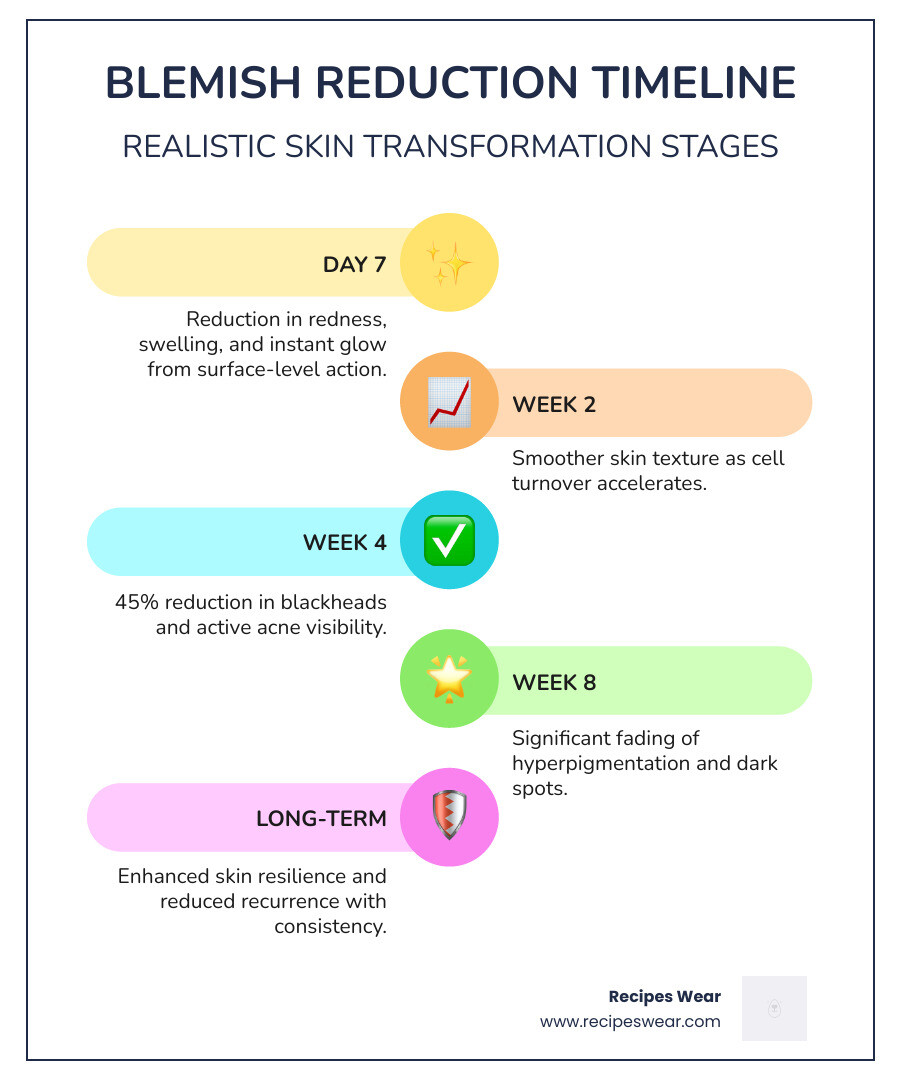
- 7 Days: You might see an “instant glow” or a reduction in redness and swelling. Products like the “Snow White” baby face glow often claim a 7-day action for surface-level brightness.
- 2 Weeks: Clinical studies for products like Dr. Dennis Gross’s Blur + Repair show that 100% of users see smoother skin by this point.
- 4 Weeks: This is when you’ll notice a real difference in blackheads and active acne. CeraVe’s studies show a 45% reduction in blackheads at the one-month mark.
- 8 Weeks: This is the “sweet spot” for hyperpigmentation and dark spots. Fading deep pigment takes time and consistent application.
Blemish care is often about “anti-recurrence.” Brands like La Roche-Posay have shown that their blemish creams continue to prevent new spots for up to a month after you stop using them because they’ve helped rebalance the skin’s microbiome.
Frequently Asked Questions about Blemish Care
Can I use blemish care face cream with retinol?
It depends on the ingredients! If your blemish cream has high levels of Salicylic Acid or Benzoyl Peroxide, using it at the same time as Retinol might cause extreme dryness or peeling. We suggest “skin cycling”: use your blemish care cream one night and your retinol the next. Always prioritize your skin barrier.
Does blemish care face cream work for dark spots on melanin-rich skin?
Yes! In fact, many brands now specialize in this. Look for ingredients like Niacinamide, Vitamin C, and Turmeric. These ingredients help regulate melanin production without “bleaching” the skin, resulting in a more even, radiant tone.
Should I apply blemish care cream all over or just on spots?
Most blemish care face creams are formulated as moisturizers and are meant to be applied all over the face. This provides preventative care by keeping pores clear across the “T-zone” and cheeks. However, if you are using a high-strength “spot treatment” (like 10% Benzoyl Peroxide), use it only on the active spot to avoid irritating the surrounding healthy skin.
Conclusion
Finding the perfect blemish care face cream is a journey, but it’s one that leads to healthier, more resilient skin. Whether you’re looking for a high-tech water cream to control oil or a natural, turmeric-infused lotion to brighten dark spots, the options available in 2026 are more effective and inclusive than ever.
At Recipes Wear, we believe in “recipes that dress your creativity.” Your skincare routine is the foundation for everything else — from your makeup look to your daily confidence. By choosing products backed by science and nature, you can finally say goodbye to stubborn spots and hello to a clear, glowing complexion.
For more personalized beauty tips and the latest in April 2026 skincare trends, explore Recipes Wear and discover how to treat your skin with the care it deserves.

