
Hair Mask 101: Top Recommendations
Why a Hair Mask Belongs in Your Hair Care Routine
A hair mask is a concentrated, deep-conditioning treatment that delivers intense moisture, protein, and nutrients to your hair — far beyond what a regular rinse-out conditioner can do.
Here’s a quick breakdown of what you need to know:
| Question | Quick Answer |
|---|---|
| What is it? | A thick, intensive treatment for hair repair and hydration |
| How is it different from conditioner? | Richer formula, longer leave-in time, deeper penetration |
| How often should you use one? | 1-3x per week depending on your hair type |
| How long do you leave it in? | 5-30 minutes (or overnight for very dry hair) |
| Best for | Dryness, frizz, breakage, damage, and color-treated hair |
Heat styling, color treatments, hard water, and everyday exposure slowly strip your hair of moisture and strength. Over time, this leads to frizz, breakage, and dullness. A good hair mask can reverse that damage — some clinically proven to reduce breakage in as little as 10 minutes and strengthen hair up to 2x after just three uses.
Think of it like a face mask, but for your hair. You don’t need it every day — but when you use it, it makes a real difference.
What is a Hair Mask and Why Your Hair Needs One?
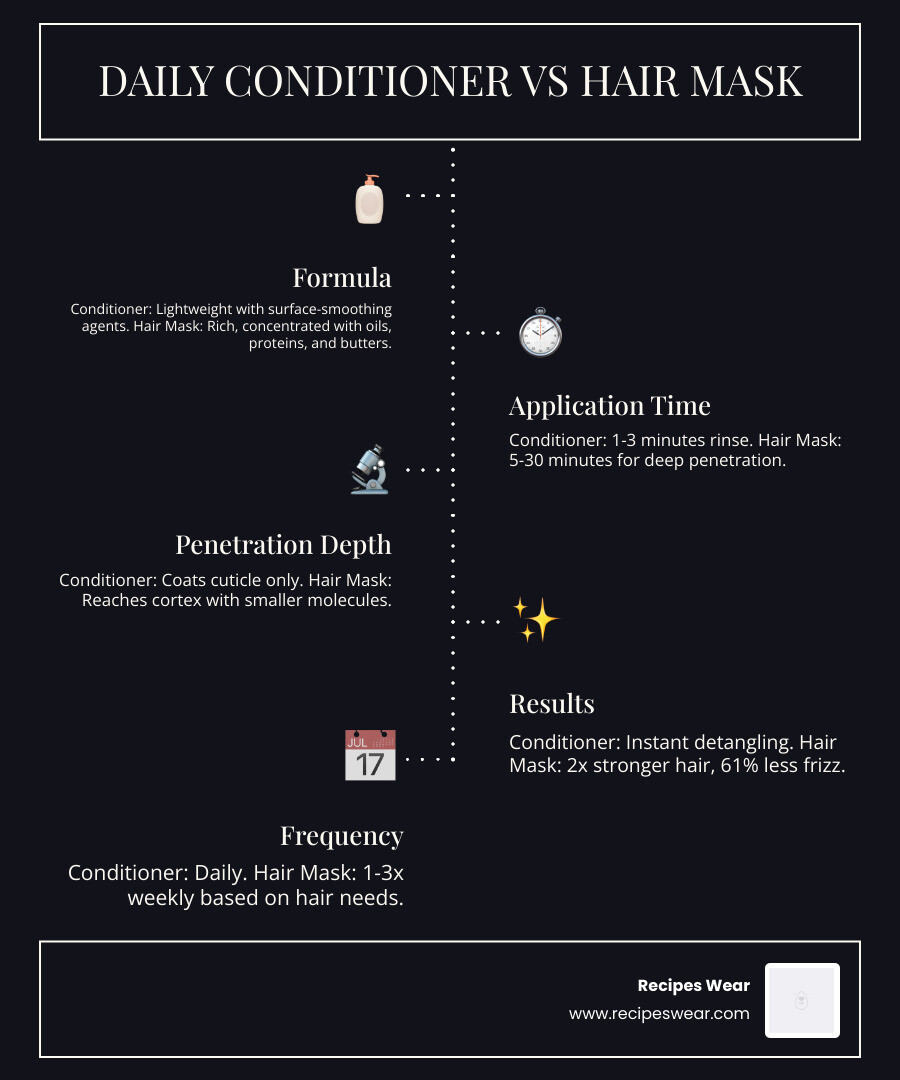
As we move into April 2026, the science of hair care has evolved to treat the hair shaft with the same precision we treat our skin. While a daily conditioner acts like a lightweight moisturizer that smooths the outer cuticle for immediate detangling, a hair mask is the “heavy hitter” of your routine. It is formulated with smaller molecules or more potent concentrations of oils, butters, and proteins that actually penetrate the hair cortex.
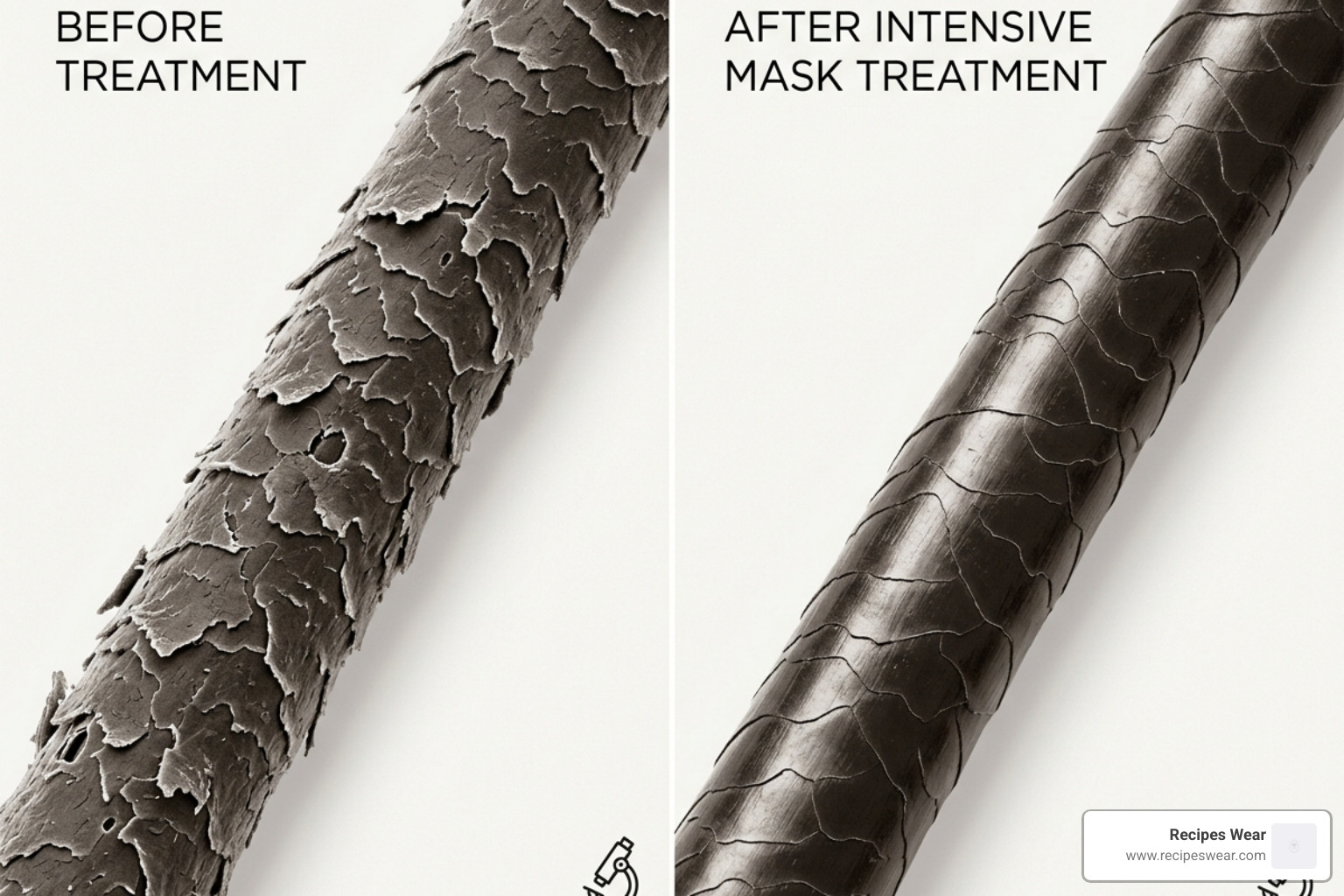
Our hair is constantly under siege. Whether it is the environmental torment of UV rays, the chemical stress of bleaching it to a neon-pink hue, or the mechanical friction of tight buns, the protective lipid layer of our hair eventually wears down. When this happens, the hair becomes porous, meaning it loses moisture as quickly as it takes it in.
A high-quality treatment helps with lipid replenishment and moisture retention. According to scientific insights on hair mask efficacy and ingredient penetration, these treatments work by sealing the cuticle and delivering active ingredients into the inner structure of the strand. This process doesn’t just “hide” damage; it helps restore the protein balance and elasticity that makes hair look bouncy and alive rather than brittle and “gummy.”
For those of us at Recipes Wear, we like to think of these masks as the “secret sauce” in a beauty recipe. Just as a slow-cooked meal yields deeper flavors, the extra time a mask spends on your hair allows the nutrients to infuse deeply, creating a healthy environment for your strands to thrive.
The Best Hair Mask Ingredients for Every Concern
Choosing a hair mask can feel like walking into a gourmet grocery store without a shopping list. To get the best results, you need to look at the “ingredients” on the label. Different hair concerns require different “recipes.”
Key Ingredients to Look For:
- Shea Butter & Illipe Butter: These are the ultimate hydrators. Shea butter is rich in fatty acids and vitamins, providing a protective barrier that locks in moisture. Illipe butter is known for its ability to restore elasticity to even the most “drenched” dry strands.
- Hydrolyzed Keratin & Vegan Silk Protein: If your hair feels weak or has been chemically processed, protein is your best friend. Hydrolyzed proteins are broken down into smaller pieces that can fill in the “gaps” in a damaged hair shaft, strengthening it from the inside out.
- Argan & Avocado Oil: Argan oil is a classic for a reason—it’s packed with Vitamin E and antioxidants. Avocado oil, on the other hand, is one of the few oils that can actually penetrate the hair shaft rather than just sitting on top.
- Hyaluronic Acid: Just like in skincare, this humectant can hold 1,000 times its weight in water, providing 72 hours of moisture retention when used in a proper system.
- Biotin & Rosehip Oil: These are often found in masks aimed at overall hair health and shine, helping to fortify the hair against future breakage.
If you are looking for the most popular options currently trending, you can browse the Amazon Best Sellers: Best Hair Treatment Masks to see what other beauty enthusiasts are currently loving. From argan oil-infused tubs to molecular repair leave-ins, the options are vast.
Matching a Hair Mask to Your Texture
Not all hair is created equal, and using the wrong mask can leave your hair either feeling like straw or looking like a grease bucket. At Recipes Wear, we believe in “dressing your creativity,” which means understanding your canvas.
- Fine Hair: You want hydration without the weight. Look for “weightless” formulas that use lightweight oils like jojoba or almond oil. Avoid heavy silicones that might leave your hair flat by the end of the day.
- Thick & Coarse Hair: Your hair can handle the heavy butters. A rich OUAI Treatment Mask for Thick Hair uses a blend of illipe and shea butters to tame frizz and provide that “slippery-smooth” feeling that thick hair often lacks.
- Curly & Coily (3A to 4C): Curls are naturally drier because scalp oils have a harder time traveling down the spiral. You need intensive conditioning and “slip” to help with detangling. Ingredients like chia seed extract and murumuru butter are excellent for defining curls and reducing breakage.
- Color-Treated & High Porosity: If you’ve bleached your hair, your cuticle is likely “open” and vulnerable. You need a mask that focuses on cuticle sealing and protein repair to prevent your expensive color from washing down the drain.
How to Apply a Hair Mask for Maximum Results
Applying a hair mask isn’t just about slapping it on in the shower. To truly get your money’s worth, you need to follow a process that allows for maximum absorption.
The Pre-Mask Ritual
First, you must start with clean hair. Use a gentle shampoo to remove product buildup and oils. This “clears the path” for the mask. After rinsing, don’t just reach for the mask immediately. Towel-dry your hair. If your hair is soaking wet, the water fills the hair shaft, leaving no room for the treatment to sink in. Think of it like a sponge: a sponge that is already dripping wet can’t soak up any more liquid.
Step-by-Step Hair Mask Application
- Section Your Hair: Especially if you have thick or curly hair, divide it into four sections. This ensures every strand gets a taste of the treatment.
- Focus on the Ends: Your ends are the oldest and most damaged part of your hair. Apply the product from the mid-lengths down to the tips.
- Avoid the Scalp: Unless you are using a specific scalp-soothing mask, keep the product about an inch away from your roots to avoid making your hair look oily or flat.
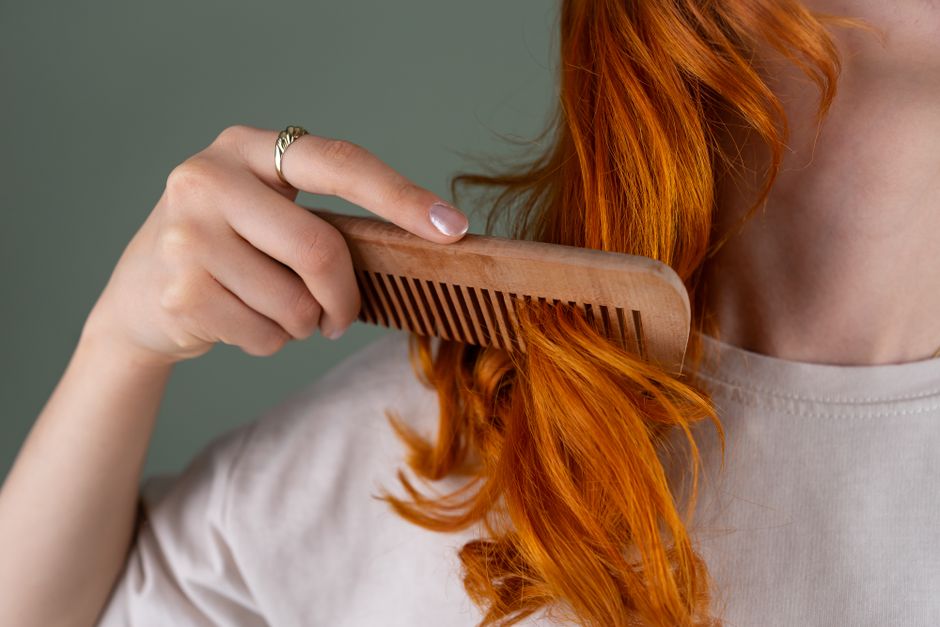
- The Comb-Through: Use a wide-tooth comb to distribute the product evenly. This is also the best time to gently detangle.
- The Wait: Most masks need 5 to 10 minutes. However, for a “healthy hair comeback,” some intensive treatments like the Deep Conditioning Repair Mask – 4U by Tia can be left on for up to 30 minutes for dry, brittle hair.
- The Cool Rinse: Always rinse with cool water. This helps seal the hair cuticle, locking in the moisture and adding a boost of shine.
Pro Tip: For a spa-like experience, use a hair steamer or wrap your hair in a warm, damp towel while the mask sits. The heat helps open the cuticle even further, allowing the ingredients to penetrate deeper.
Timing and Frequency for Different Hair Types
How often should you indulge? It depends on your hair’s “appetite” for moisture.
- Dry or Damaged Hair: 2-3 times per week. If your hair has been through the wringer with bleach or heat, it needs frequent “feeding.”
- Normal to Fine Hair: Once a week is usually plenty. Over-masking fine hair can lead to “protein overload” or buildup, making hair feel stiff.
- Oily Hair: Focus on the very ends of your hair once every 10 days.
If you are a fan of high-performance systems, products like the Matrix Food For Soft Rich Hydrating Treatment Mask for Hair Repair are designed to provide 72 hours of moisture retention. This means you can go longer between treatments while still enjoying 7x more moisture and 5x smoother hair.
For those with extremely parched locks, overnight options are a game-changer. You can apply a mask to damp hair, bun it up, and sleep in a silk cap. Just remember to rinse thoroughly and shampoo your scalp in the morning to avoid any heaviness.
Top-Rated Solutions for Damage and Frizz
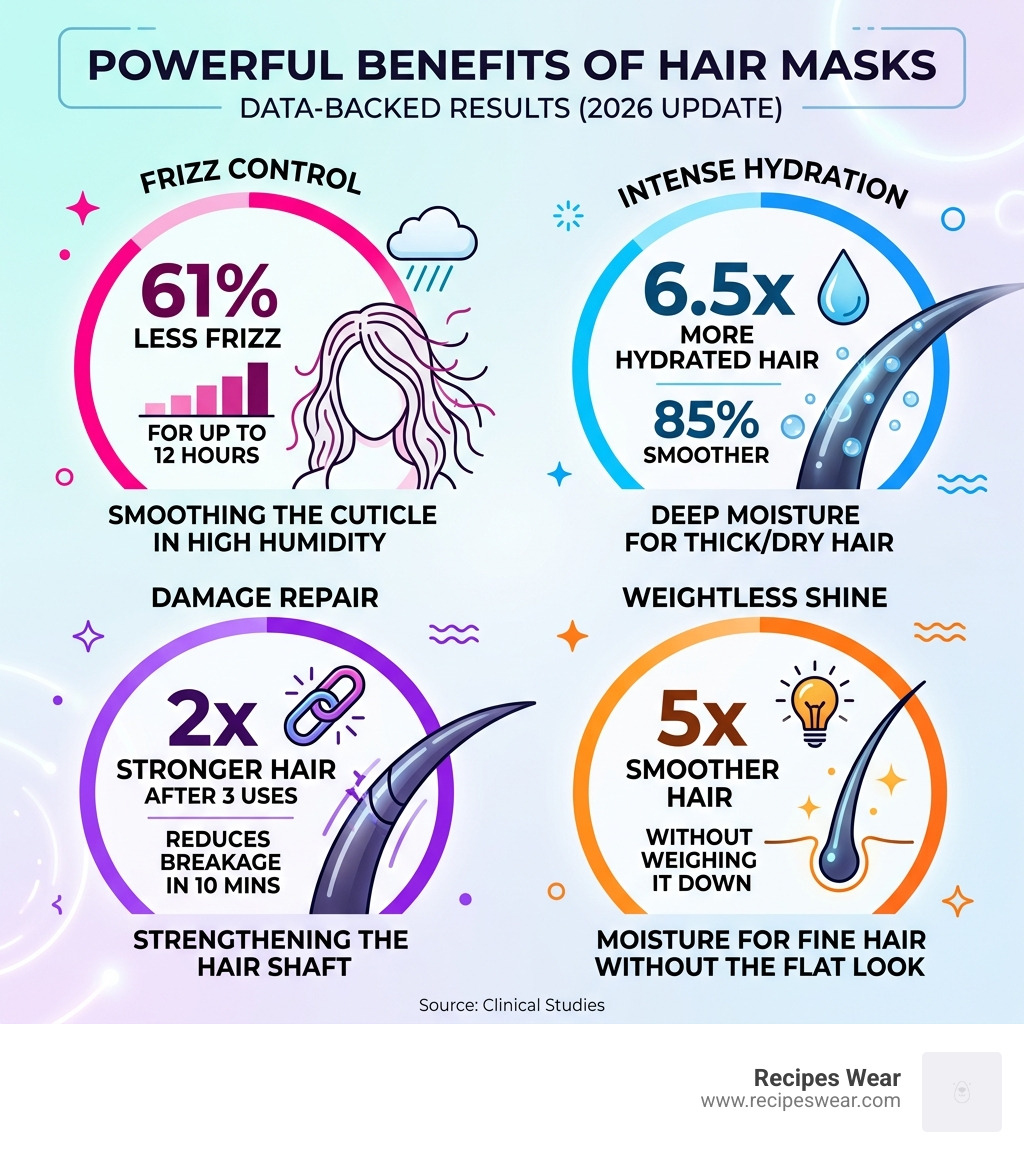
When it comes to results, the data doesn’t lie. Many modern hair masks are backed by clinical studies that prove their effectiveness. If you are struggling with specific concerns like frizz or breakage, here is how the top categories compare:
| Goal | Key Benefit | Clinical Statistic |
|---|---|---|
| Frizz Control | Smoothing the cuticle in high humidity | Reduces frizz by 61% for up to 12 hours |
| Intense Hydration | Deep moisture for thick/dry hair | Up to 6.5x more hydrated hair; 85% smoother |
| Damage Repair | Strengthening the hair shaft | 2x stronger hair after 3 uses; reduces breakage in 10 mins |
| Weightless Shine | Moisture for fine hair without the flat look | 5x smoother hair without weighing it down |
Products like the Intense Hydrating Mask – Moroccanoil have become industry legends for their ability to transform medium-to-thick dry hair in just five minutes. Similarly, award-winning masks that have landed in the Allure Hall of Fame multiple times are often those that successfully balance protein and moisture, ensuring the hair is both strong and soft.
Frequently Asked Questions about Hair Treatments
Can I leave a hair mask in overnight?
Yes, but with caveats! Overnight treatments are fantastic for very dry, curly, or high-porosity hair. However, if your mask is very high in protein, leaving it on too long might make the hair feel brittle. Always use a silk or plastic cap to protect your pillowcase and keep the moisture locked onto your head. In the morning, ensure you rinse thoroughly and shampoo your scalp to remove any residue.
Should I use a mask on wet or dry hair?
It depends on the base of the mask. Cream-based masks are almost always designed for damp, towel-dried hair because the water helps the cream distribute and the open cuticle (from the warm shower) absorbs the nutrients. Oil-based treatments can sometimes be used on dry hair as a pre-shampoo treatment to protect the hair from the stripping effects of cleansing. Always check the label!
Do hair masks help with hair growth?
While a hair mask won’t necessarily speed up the rate at which hair grows from your follicles, it is essential for length retention. By reducing breakage and preventing split ends, masks allow your hair to grow longer without needing frequent “survival trims.” A healthy, hydrated hair strand is less likely to snap off mid-shaft, meaning you’ll see more progress in your growth journey over time.
Conclusion
At Recipes Wear, we believe that beauty should be as creative and nourishing as a favorite family recipe. Incorporating a hair mask into your routine is one of the simplest ways to “dress your creativity” and give your hair the intensive care it deserves. Whether you are fighting the humidity of a tropical summer or the dry heat of a cruel winter, there is a mask “recipe” out there for you.
From the 72-hour moisture of a hyaluronic acid treatment to the 4-minute miracle of molecular repair, the power to transform your hair is in your hands. So, take those extra ten minutes, wrap your hair in a warm towel, and let the nutrients do the work. Your hair will thank you with shine, strength, and smoothness that lasts.
Explore more beauty recipes and hair care guides to keep your look fresh and your routine inspired!

