
Como montar a rotina de skincare perfeita para pele oleosa
What is oily skin and how to identify it?
To master oily skin skincare, we first need to understand the biology behind the shine. Oily skin is characterized by hyperactivity of the sebaceous glands. These glands produce sebum, a complex mixture of lipids that serves to protect and lubricate our skin barrier. The problem arises when this production is excessive, resulting in dilated pores, thicker texture, and that shine that insists on appearing just a few hours after cleansing.
Genetics play a fundamental role: if your parents have oily skin, the chances of you having it too are high. Additionally, hormonal fluctuations (especially androgen hormones) directly stimulate the glands to work harder.
How to know if you really have oily skin? Take the shine test:
- Wash your face with a neutral cleanser.
- Do not apply any products and wait about two hours.
- If after this time you notice evident shine not only on the nose but also on the forehead, cheeks, and chin, your skin is classified as oily. If the shine is concentrated only in the T-zone and the cheeks are dry, you have combination skin.
To better understand how each skin type behaves, check out our Complete guide on skin types and essential care.
Causes of excess oiliness in 2026
In 2026, environmental factors have become even more aggressive for our faces. The tropical climate has always been a challenge, but the increase in average temperatures and humidity enhances the fluidity of sebum, making it spread more easily across the skin’s surface.
In addition to the climate, we live in high-pollution urban environments. Pollution microparticles stick to the skin’s oil, clogging pores and causing oxidation, which can lead to the appearance of blackheads. Stress is also a modern villain; it releases cortisol, which “tells” the sebaceous glands to produce more oil. Finally, a diet rich in high-glycemic-index foods (sugars and white flours) can cause insulin spikes that stimulate inflammation and oiliness.
The pillars of oily skin skincare: Essential actives and ingredients
Building an effective oily skin skincare routine requires a strategic choice of actives. It’s not about using the most expensive product, but rather the one that contains ingredients that “talk” to your skin’s needs.
- Salicylic Acid: This is a fat-soluble beta-hydroxy acid (BHA). This means it can penetrate inside the pore clogged by oil and perform a deep cleaning, removing dead cells and preventing acne.
- Niacinamide (Vitamin B3): One of the most loved actives of 2026. It helps regulate sebum production, strengthens the skin barrier, and reduces the appearance of dilated pores.
- Zinc PCA: Has antibacterial properties and helps control the activity of sebaceous glands without drying out the skin.
- Green Clay: Perfect for weekly treatments, it works like a “magnet” that absorbs excess impurities and toxins.
| Active | Main Function | Ideal for: |
|---|---|---|
| Salicylic Acid | Unclogging pores | Blackheads and pimples |
| Niacinamide | Sebum control and barrier | Dilated pores and redness |
| Hyaluronic Acid | Weightless hydration | Keeping water in the skin |
| Zinc PCA | Antiseptic action | Daily shine control |
The importance of hydration in oily skin skincare
One of the biggest mistakes we make is thinking that oil replaces water. Oiliness is an excess of sebum (lipids), while hydration is the presence of water in the skin layers. Often, the skin shines excessively precisely because it is dehydrated; it produces more oil to try to compensate for the lack of water (the dreaded rebound effect).
In oily skin skincare, we must seek water balance. The secret lies in the texture: forget heavy creams and bet on gel, gel-cream, or aqueous serum textures. Hyaluronic Acid is the star ingredient here, as it can hold up to 1000 times its weight in water without adding a drop of oil. Modern products, such as Cetaphil® Oil Control Mattifying Moisturizer, already provide up to 48 hours of hydration, ensuring that 98% of users feel immediate relief from dryness without residual shine.
Learn more about how to keep your skin healthy on our Homepage.
How to choose sunscreen in oily skin skincare
Sunscreen is the non-negotiable step. Many people skip this stage because they feel the product “melts” or leaves the skin sticky. However, the sun stimulates sebum production and can cause spots in areas where there was acne.
To avoid mistakes, look for labels that indicate:
- Dry touch and Matte Effect: To ensure the skin stays velvety throughout the day.
- Oil-free and Non-Comedogenic: Means the formula contains no oils and does not clog pores.
- SPF 30 or higher: For effective protection against UVA/UVB rays.
- Anti-oiliness action: Some formulas contain microspheres that absorb shine during use.
Step by step: Complete routine for day and night
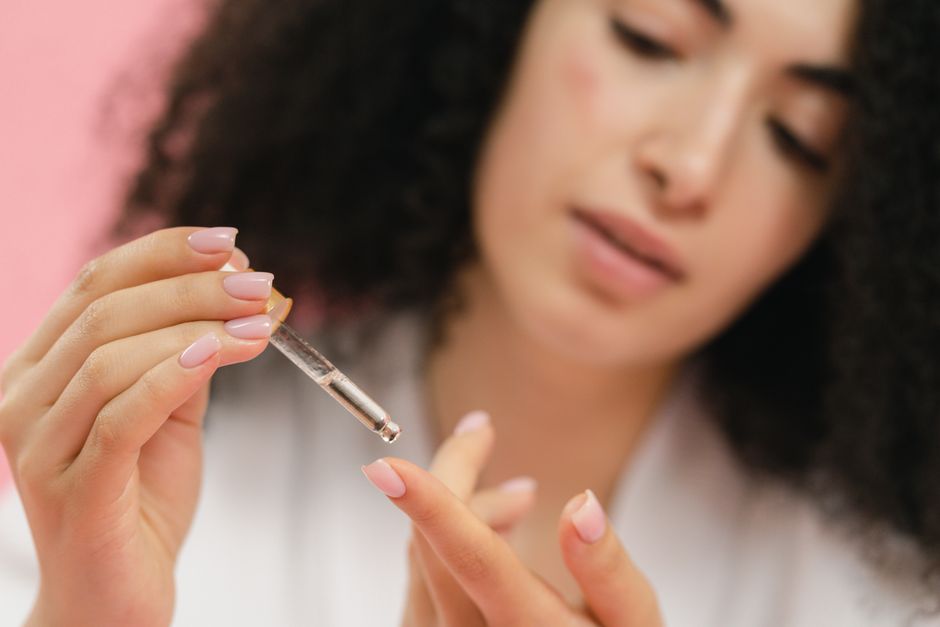
Having a routine doesn’t have to be complicated. In fact, for oily skin, “less is more”. The important thing is consistency. Discover more Self-care and beauty tips at Recipes Wear.
Morning Routine: Focus on protection and shine control
In the morning, our goal is to cleanse the toxins released during sleep and prepare the skin to face pollution and the sun.
- Cleansing: Use a liquid or gel cleanser specifically for oil control. Studies show that using products like Cetaphil® Oil Control Deep Cleansing cleanser can reduce oiliness by up to 81% immediately after use.
- Antioxidant (Optional, but recommended): A dry-touch Vitamin C serum helps fight free radicals from pollution and prevents aging. SkinCeuticals Silymarin CF, for example, is excellent for oily skin, reducing lipid oxidation by up to 76%.
- Hydration: A lightweight moisturizer to keep the barrier intact.
- Sun Protection: Finalize with a matte-finish sunscreen.
Night Routine: Cleansing and cell renewal
At night is the time to “reset” the skin and use treatment actives that may be photosensitive.
- Double Cleansing: If you used makeup or water-resistant sunscreen, start with micellar water to remove surface impurities before the cleanser.
- Cleansing: Wash your face again with your cleansing gel to ensure no pollution residue remains.
- Treatment: This is the time for renewing acids (like Glycolic or Salicylic) or Retinol, which helps with cell renewal and pore control. Riô SkinLab’s Oil Control Serum is a great option: 81% of users noticed a reduction in pimples after 30 days.
- Barrier Repair: Use a repairing moisturizer or a niacinamide serum to soothe the skin while you sleep.

Myths and common mistakes: The rebound effect and lack of hydration
Often, our desire to eliminate shine makes us commit mistakes that worsen the situation. The use of toners with high ethyl alcohol content or very aggressive soaps removes the skin’s natural protective layer. When this happens, the brain receives a signal that the skin is unprotected and orders the sebaceous glands to produce even more oil to compensate for the dryness. This is what we call sebaceous compensation.
What is the rebound effect and how to avoid it?
The rebound effect happens when we damage the skin barrier. To avoid it, the golden rule is: gentle cleansing. Use products with mild surfactants that clean without “stripping”. Keeping the skin’s pH balanced (around 5.5) is essential so that healthy bacterial flora survives and prevents the proliferation of acne-causing bacteria. If after washing your face you feel your skin is tight, your cleanser may be too aggressive.
Products you should avoid right now
In oily skin skincare, reading the label is fundamental. Avoid ingredients such as:
- Mineral Oils and Petrolatum: They create an occlusive film that can “smother” the skin and cause blackheads.
- Dense Creams and Butters: Generally have high comedogenicity (ability to clog pores).
- Excess alcohol: Dries out the skin and induces the rebound effect.
Want to know which actives really work? See The best actives to control oiliness.
Extra tips to boost oil control

Beyond products, small habits make all the difference:
- Change your pillowcase: Use cotton pillowcases and change them at least twice a week. The buildup of sweat and oil on the fabric can be transferred back to your face.
- Blotting papers: Throughout the day, don’t wash your face multiple times. Use absorbent paper tissues to remove excess shine without removing your sunscreen.
- Don’t touch your face: Our hands carry bacteria and dirt that can inflame dilated pores.
Adaptation for winter and summer
Our skin changes with the seasons. In summer, excessive sweat calls for even more fluid textures and thermal waters to refresh and soothe. In winter, dry air and hot showers can cause severe dehydration. In the cold, don’t stop moisturizing! Swap the super-drying gel for a more nourishing gel-cream to prevent the skin from flaking and producing oil by rebound.
The role of diet and healthy habits
Beauty comes from the inside out. Maintaining a low-glycemic-index diet reduces systemic inflammation. Including foods rich in Omega-3 (like fish and seeds) helps regulate the quality of the sebum produced. Additionally, internal hydration (drinking at least 2 liters of water per day) is what ensures that skin cells have water to maintain their glow. Studies indicate that healthy habits and the use of antioxidants can reduce lipid oxidation by up to 76%, leaving the skin looking much cleaner and younger.
Frequently Asked Questions about Skincare
Is oily skin more prone to acne?
Yes. Excess sebum is the favorite food of the C. acnes bacteria. When oil gets trapped inside a pore clogged by dead cells, it creates the perfect environment for inflammation. However, with proper preventive treatment using salicylic acid and niacinamide, it is possible to have up to an 81% reduction in the appearance of pimples.
Can I wear makeup every day with oily skin?
Absolutely! The secret is to choose oil-free foundations and mattifying primers that help hold the shine. The golden rule is complete removal: never sleep with makeup on. Use a good micellar water or a light bi-phase makeup remover to ensure pores breathe during the night.
How many times a day should I wash my face?
The limit recommended by dermatologists is 2 times a day (morning and night). Over-washing destroys the protective barrier. The only exception is post-workout hygiene, to remove sweat and prevent it from mixing with sebum and clogging pores.
Conclusion
Caring for oily skin doesn’t have to be a constant battle against shine. At Recipes Wear, we believe that skincare is a ritual of care and creativity. By understanding your skin’s needs and choosing the right actives, you transform excess oil into a healthy and radiant glow. Remember: balance is the key. Use our “beauty recipes” to create a routine that fits your lifestyle and celebrates the health of your face.
Check out more exclusive beauty tips at Recipes Wear

